Introduction
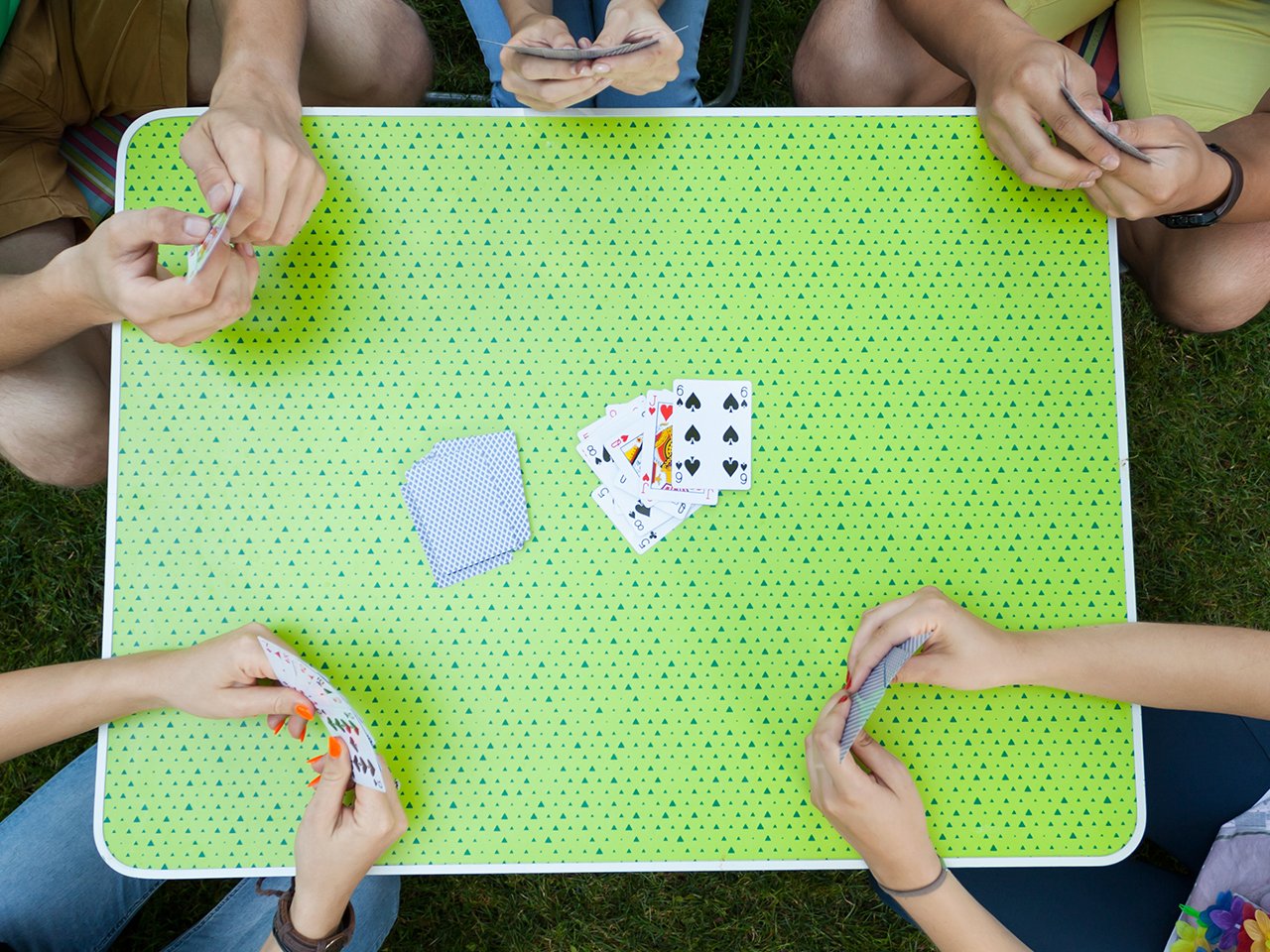
Card games have been a timeless form of entertainment, strategy, and social interaction for centuries. Played around the world in countless variations, they combine skill, chance, memory, and creativity. Whether enjoyed casually at home, competitively at clubs, or digitally on modern platforms, card games continue to evolve while maintaining their classic charm.
What Are Card Games?
A card game is any game that uses a deck of cards as the primary tool for gameplay. These games can revolve around strategy, luck, storytelling, or mathematics, depending on the type. Most card games are easy to learn but offer depth that keeps players engaged.
A Brief History of Card Games
Card games originated in ancient China before traveling through India, Persia, and Europe. Over centuries, card design evolved from handmade art pieces to standardized decks. From courtly entertainment to widespread leisure activities, card games became a universal pastime across cultures and generations.
Common Types of Card Games
Shedding Games
Players aim to be the first to discard all their cards.
- Examples: Uno, Crazy Eights, President
Matching Games
Success depends on finding pairs or completing sets.
- Examples: Go Fish, Old Maid, Rummy
Trick-Taking Games
Players compete to win “tricks” using strategic play and card ranking.
- Examples: Bridge, Spades, Hearts
Casino Card Games
Often involve wagering and probability-based decisions.
- Examples: Blackjack, Baccarat, Three-Card Poker
Collectible and Trading Card Games (TCGs)
Players build personalized decks to compete in strategic battles.
- Examples: Magic: The Gathering, Yu-Gi-Oh!, Pokémon TCG
Solitaire and Patience Games
Designed for single-player gameplay focusing on logic and sequencing.
- Examples: Klondike, Spider Solitaire, FreeCell
Essential Elements of Card Gameplay
Deck Structure
Most games use the standard 52-card deck, though some require special or custom decks.
Turn Order
Sequence plays a major role in strategy and decision-making.
Scoring Systems
Each card game uses unique scoring rules that define objectives, progress, and winning conditions.
Strategy and Probability
Reading opponents, calculating odds, and adapting to card distribution shape advanced gameplay.
Popular Card Games Around the World
Poker
A global favorite blending probability and psychological strategy.
Bridge
A deeply strategic, internationally recognized competitive card game.
Uno
A family-friendly game known for fast-paced action and colorful special cards.
Rummy
A classic matching game with variations played in many countries.
Tarot Games
Used both for gameplay and fortune-telling, depending on the cultural context.
The Rise of Digital and Online Card Games
Modern technology has transformed traditional card play. Online platforms and mobile apps offer:
- Multiplayer matchmaking
- Tutorials for beginners
- Customizable decks
- Competitive tournaments
- Instant access to classics and new creations
Digital card games also introduce unique mechanics impossible with physical cards, contributing to the genre’s ongoing evolution.
Tips for Improving at Any Card Game
- Learn the rules thoroughly before playing competitively
- Observe opponents’ habits to anticipate moves
- Stay aware of card counts, especially in trick-taking and strategy games
- Practice regularly to strengthen memory and pattern recognition
- Manage emotions, since patience often leads to better decisions
FAQ
1. What is the easiest card game for beginners?
Simple matching or shedding games like Go Fish or Uno are ideal for new players.
2. How many card games exist worldwide?
There are thousands, with new variations emerging constantly across cultures.
3. Are card games based more on luck or skill?
It depends on the game—poker and bridge emphasize skill, while war and certain matching games rely heavily on luck.
4. Can I play card games alone?
Yes, solitaire and many digital versions allow enjoyable solo play.
5. Do card games help improve cognitive skills?
Many card games enhance memory, strategy, decision-making, and probability assessment.
6. What equipment do I need to start playing card games?
Most traditional games only require a standard 52-card deck, while some need specialized decks or digital apps.
7. Are digital card games fair?
Licensed platforms use algorithmic systems to ensure unbiased gameplay, though experiences vary by provider.
If you’d like, I can also produce specialized articles on poker strategy, bridge fundamentals, online card games, or family-friendly card games.
